Cali gold rings run from airy filigree wirework to thick bands that sit heavy on the finger, so the deciding factor is what your hand actually does in a day.
A low-profile heart motif stays out of the way for typing and cooking, while a chunky comfort-fit band only works for hours you do not need full flexibility.
1. Gold Rings with Heart and Circular Motifs
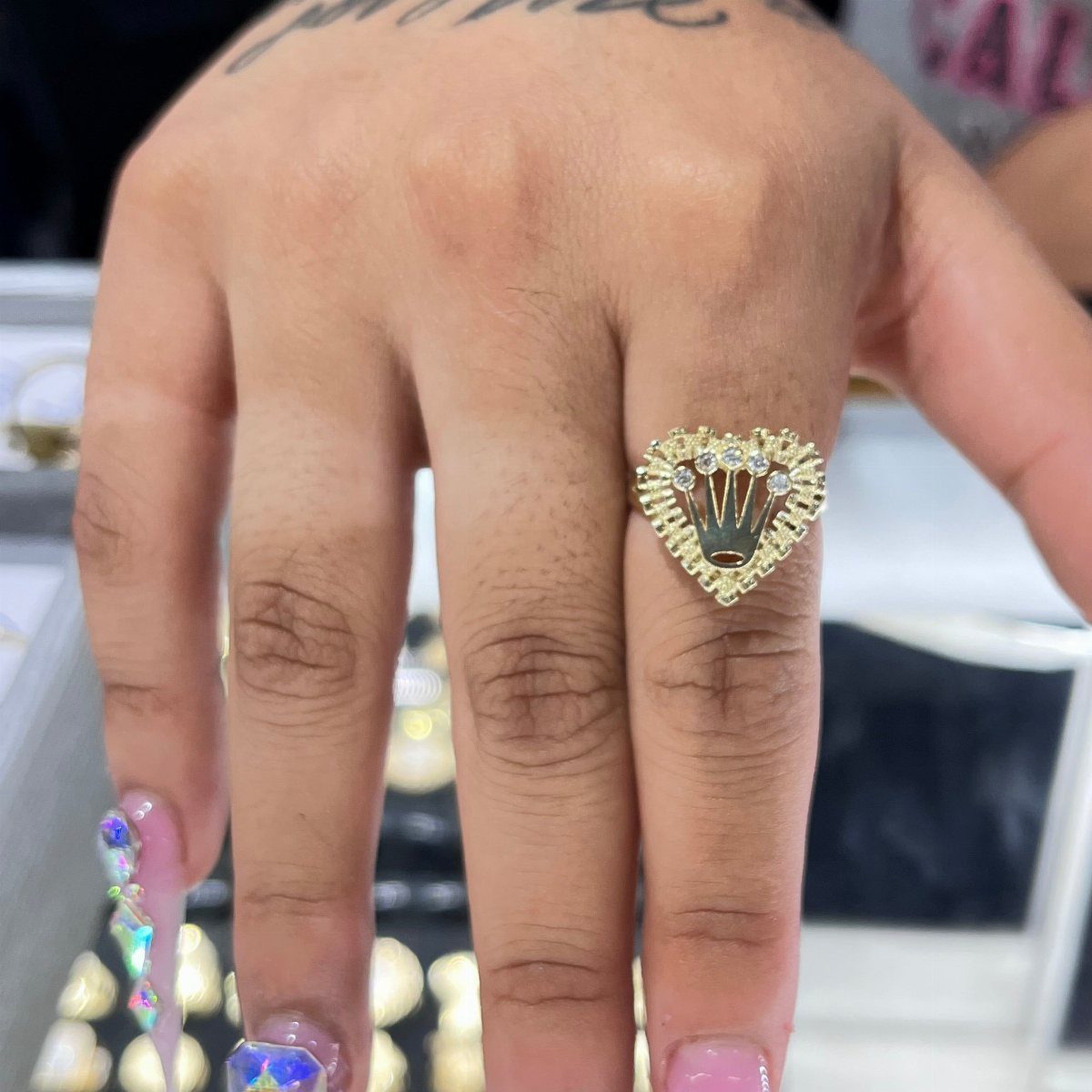
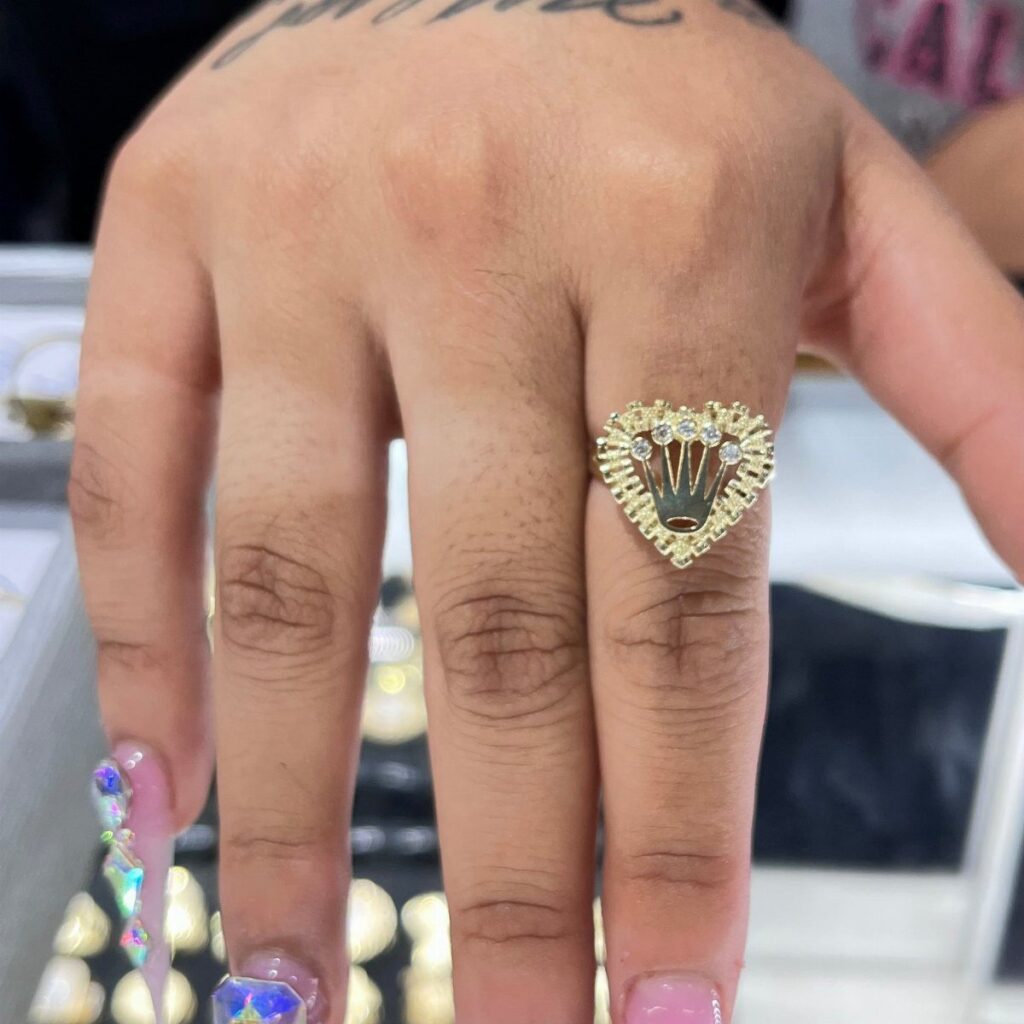
A heart-shaped ring with tiny stones set along its curve reads as playful without tipping into costume territory.
I like this style for everyday wear because the motif sits flat enough to stay out of the way, and the circular companion pieces you often see stacked nearby keep the look from getting too literal.
For a gift, I would size carefully; the wider heart shape needs a snugger fit than a plain band to keep from spinning.
2. Character Ring
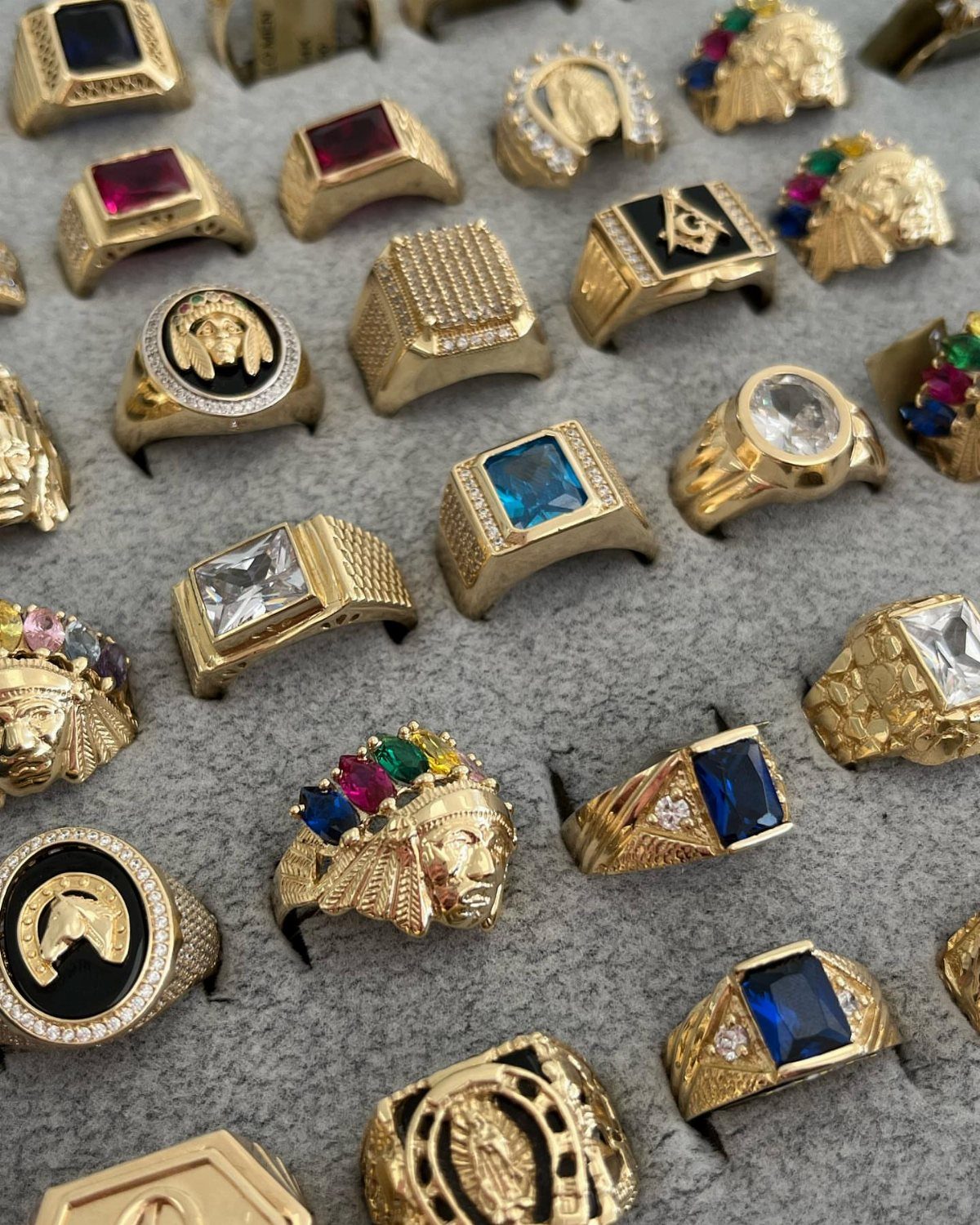
Character rings put a face or symbol front and center, which makes the piece feel personal even when the design is not yours originally.
The ones I see working best keep the setting low so the figure does not catch on pockets or sleeves.
If you are buying for someone else, I would stick to abstract symbols rather than specific faces; tastes in character art run narrow and a mismatch sits right there on the hand.
3. Textured Bands
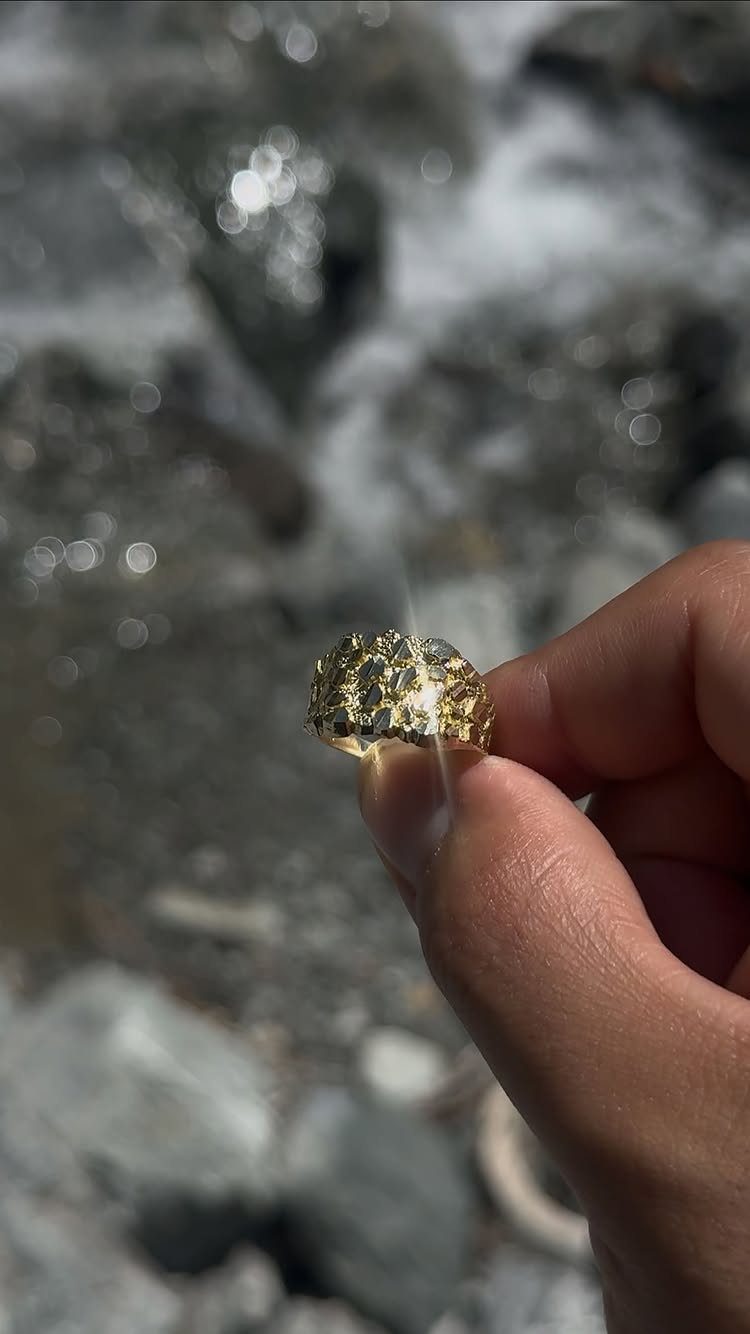
A rough, hammered surface catches light in scattered points rather than a clean shine, which hides small scratches and reads as lived-in from day one.
I find this finish especially practical for a ring you plan to wear daily; the texture already looks slightly weathered, so kitchen scuffs or desk wear blend in rather than ruin the piece.
For sizing, I would add an extra quarter size since the raised surface can feel tighter against adjacent fingers than a smooth band.
4. Filigree Rings
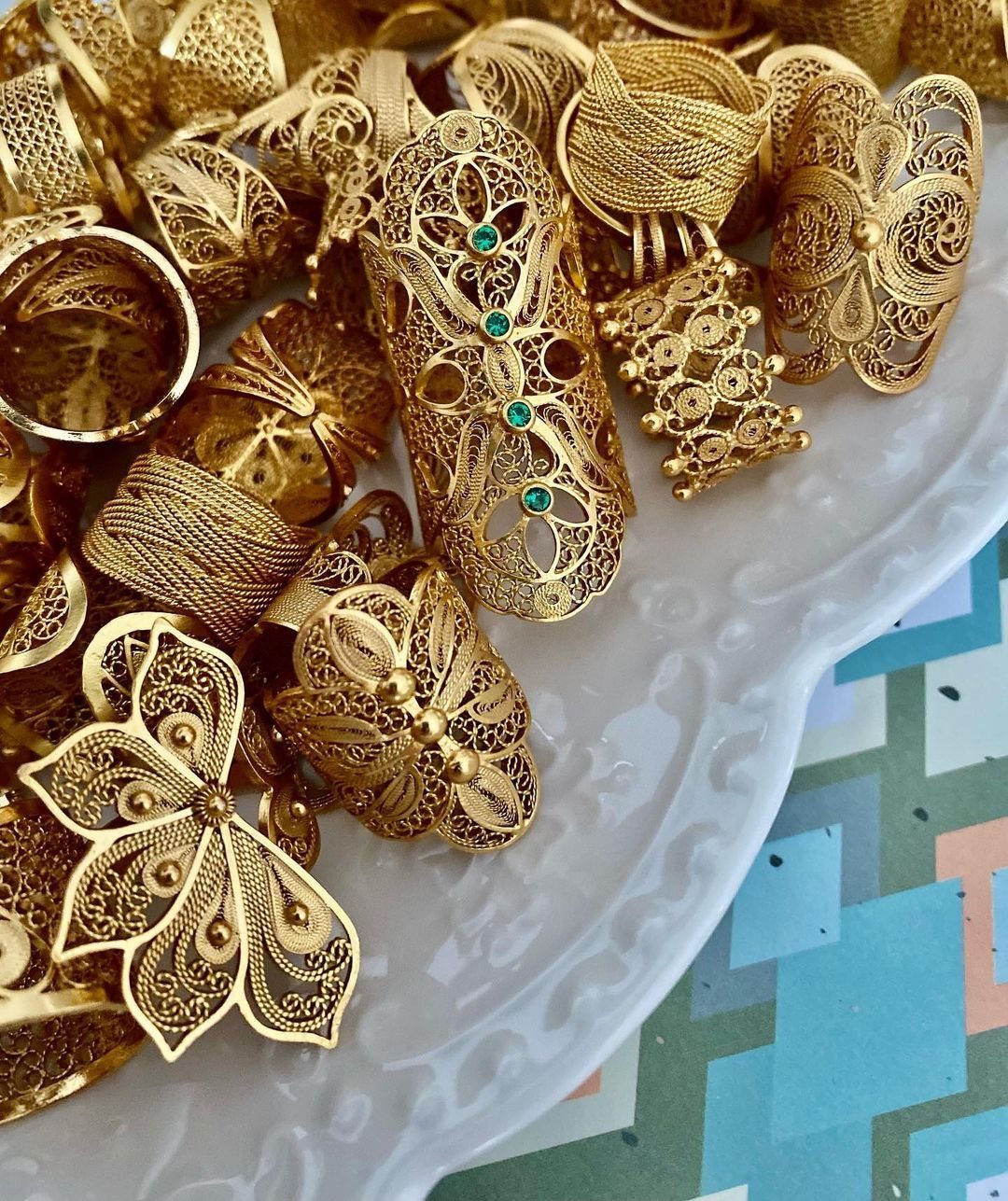
Filigree work is all negative space and thin wire, which keeps a large-looking ring surprisingly light and airy.
The open patterns let skin show through, so I think this style suits warmer months or stacked setups where you want visual complexity without bulk.
I would check that the stone settings have closed backs; open filigree with open settings snags on knit fabrics and loses small gems.
5. Twisted Rings
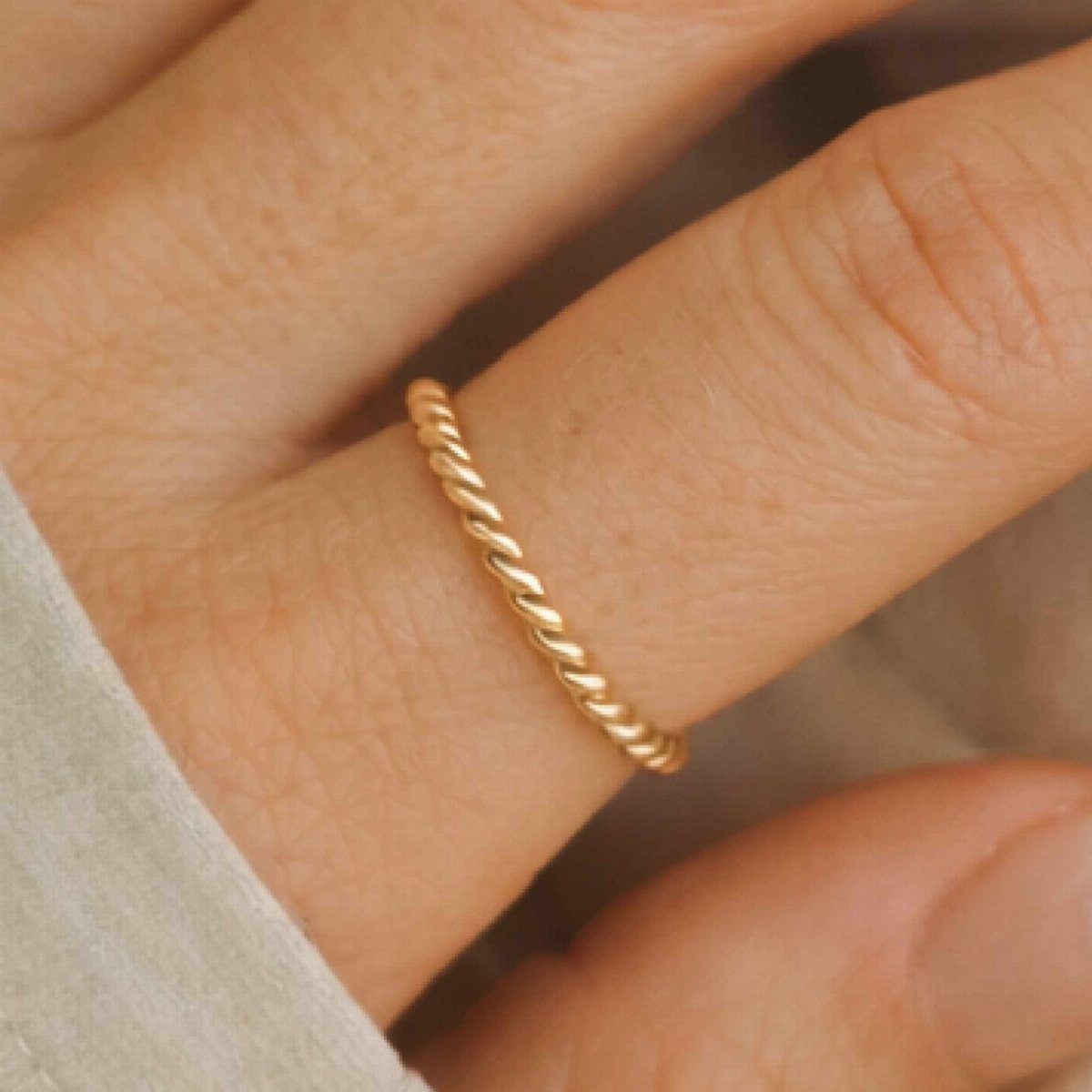
A twisted rope band gives you the look of two rings in one continuous piece, which I find solves the stacking problem for people who do not want to think about matching.
The spiral catches light differently from every angle, so it sparkles more than a plain band of the same width.
For width, a daily wearer should stay under a slim measurement; thicker twists sit heavy between fingers and can irritate over a full day.
6. Chunky Bands
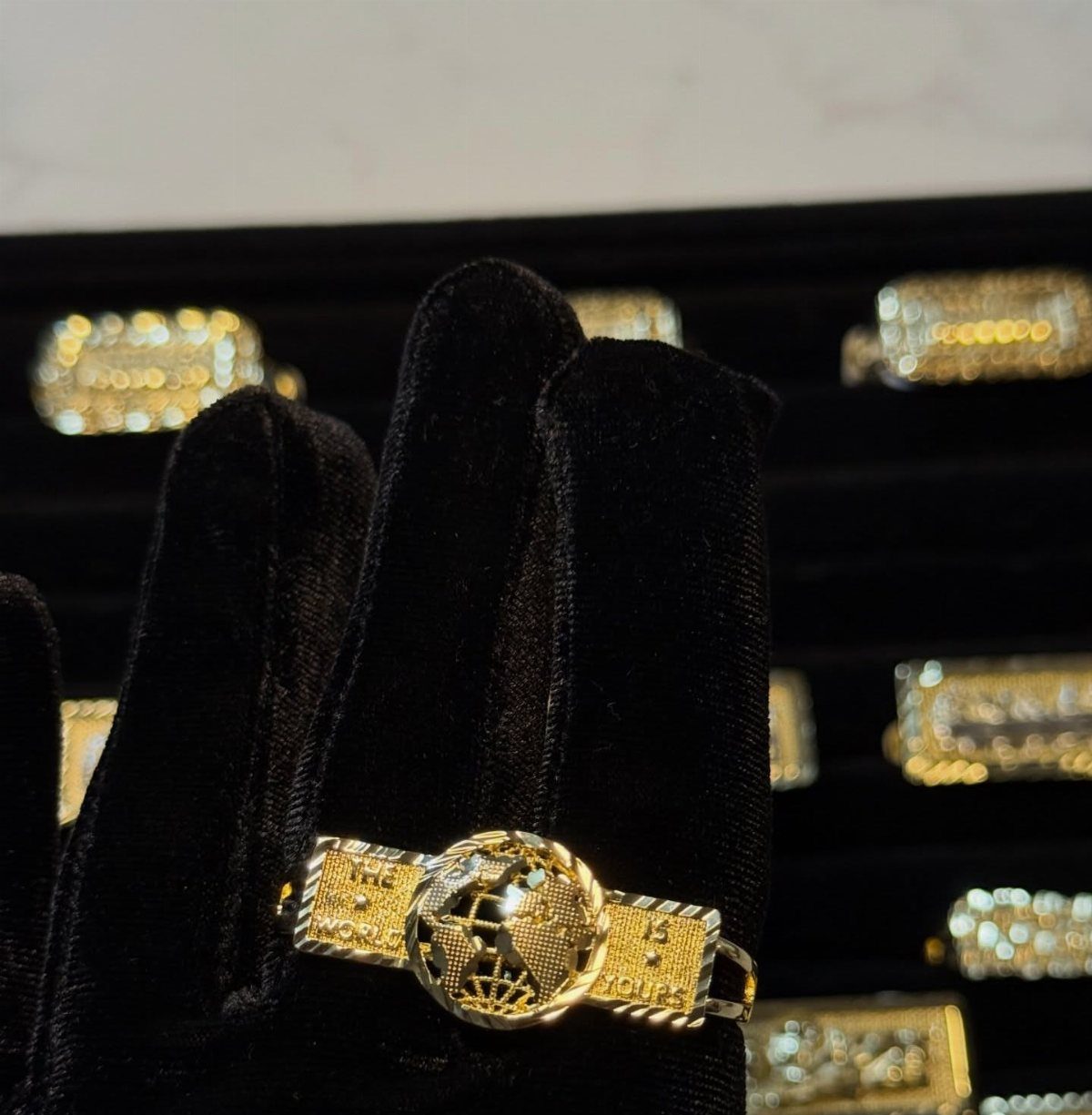
A thick, rectangular band with a raised center element sits heavy and reads bold from across a room, which is the point.
I would reserve this style for occasional wear or for a specific finger you do not need fully flexible; the weight and width interfere with typing and fine work.
If you are drawn to the look but need function, a slightly domed inner surface, called a comfort fit, makes the same outer bulk easier to bear for a few hours at a time.
Frequently Asked Questions
How much is 14K gold worth right now?
Gold prices shift by the hour with the market, so any number I gave here would be stale before you finished reading.
For a 14K gold ring, the metal value depends on the daily spot price and the gram weight of the piece, which varies by band width and finger size.
I would check a live precious metals site the day you buy, since jewelers mark up beyond raw material cost.
Can we make rings in 1 gram?
A ring that light is technically possible but extremely fragile for daily wear.
What carat is California gold?
California gold carries no single carat standard; the name refers more to origin and color than to a regulated purity.
In US jewelry, 14K is the most common alloy for rings because it balances color durability with hardness; 18K is softer and richer in color, while 10K is harder but paler.